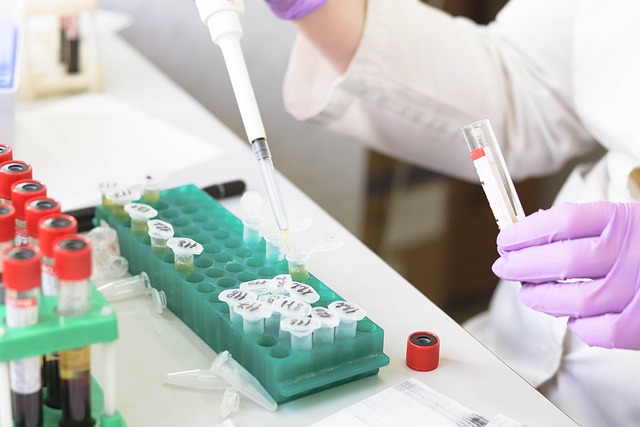
Biomedical Research Assistants (BRAs) are integral to Ann Arbor's vibrant research scene, offering diverse lab opportunities. Key steps for success include:
– Engaging in undergraduate research and internships at renowned institutions like U-M.
– Developing core scientific skills, laboratory techniques, data analysis, and safety protocols.
– Seeking mentorship, participating in workshops, and building a network.
Essential skills for BRAs in Ann Arbor: technical proficiency, communication, adaptability, problem-solving, and connections. Networking, active participation in science events, and tailored skills maximize employment chances. The city's strong job market, with an 85% employment rate, provides excellent prospects for skilled assistants. Finding lab work involves demonstrating academic excellence, engaging in networking activities, and utilizing online platforms.
BRAs contribute to dynamic research environments, handling data, collaborating with teams, maintaining records, and ensuring ethical practices. Continuous training supports integrity and employability. Summer internships, lab safety training, and seeking operational insights enhance career growth. Engaging with the local research community opens doors to long-term opportunities in high-demand fields like genomics and bioinformatics.
In today’s rapidly advancing biomedical landscape, the role of a dedicated research assistant is more vital than ever. As scientific discovery drives progress across diverse fields, ensuring efficient and accurate lab work becomes paramount. The demand for skilled researchers has surged, particularly in renowned academic hubs like Ann Arbor, where cutting-edge science flourishes. However, finding well-suited individuals to fill these critical roles remains a challenge. This article explores the significance of biomedical research assistants, delving into their multifaceted responsibilities and the strategies to uncover top talent, naturally, in Ann Arbor’s vibrant scientific community.
- Understanding the Role of Biomedical Research Assistants
- Educational Pathway: Preparing for Lab Work in Ann Arbor
- Essential Skills for Success in Biomedical Research
- Finding Opportunities: Top Labs and Institutions in Ann Arbor
- Navigating the Day-to-Day Responsibilities on a Research Team
- Ethical Considerations: Maintaining Integrity in Biomedical Research
- Career Advancement: Building Your Pathway Post-Lab Work
Understanding the Role of Biomedical Research Assistants

Biomedical Research Assistants (BRAs) play a crucial role in the scientific community, serving as vital links between researchers and the laboratory. Their responsibilities are diverse, ranging from assisting with experimental protocols to maintaining meticulous records. In Ann Arbor, known for its vibrant research scene, finding lab work has become increasingly accessible through various opportunities tailored for BRAs. This dynamic environment not only offers part-time lab work but also provides a platform for aspiring professionals to gain hands-on experience in state-of-the-art facilities.
The role of a BRA extends beyond simple laboratory assistance. They often contribute to the design and execution of research studies, data collection, and analysis. In some cases, they may even be involved in writing scientific papers and presenting findings at conferences. Lab safety training is an integral part of their duties, ensuring that all protocols are followed to maintain a secure and efficient working environment. Ann Arbor’s commitment to fostering lab safety is evident through the numerous resources available for training, making it an attractive destination for those seeking such opportunities. For instance, local universities regularly conduct workshops on laboratory emergency procedures, hazard identification, and proper waste disposal, all of which are essential skills for aspiring BRAs.
To break into this field in Ann Arbor or its surrounding areas in Michigan, job seekers can explore various pathways. Many research institutions offer laboratory associate jobs that provide a solid foundation for career growth. Part-time lab work is also prevalent, allowing students and recent graduates to gain practical experience alongside their academic pursuits. Networking within the scientific community can open doors to these opportunities, as well. For instance, attending local scientific meetings or joining university research clubs could lead to mentorships or internships that pave the way for permanent positions. By leveraging Ann Arbor’s thriving research ecosystem and its emphasis on lab safety training, aspiring BRAs can position themselves for successful careers in this demanding yet rewarding field.
Educational Pathway: Preparing for Lab Work in Ann Arbor

Preparing for lab work in Ann Arbor requires a strategic approach, especially within the competitive biomedical research field. Aspiring researchers should view their educational journey as a meticulous process designed to cultivate skills and knowledge directly applicable to lab environments. This path involves a blend of academic rigor and practical experience, which Ann Arbor’s thriving research institutions excel at providing.
The city’s robust ecosystem includes renowned research institutes like the University of Michigan, offering various lab management positions and research assistant opportunities. Students interested in finding lab work in Ann Arbor should leverage these resources by engaging in undergraduate research programs or applying for internships during their studies. These experiences not only offer hands-on training but also provide valuable networking opportunities within the scientific community. For instance, U-M’s Research Internships serve as a gateway to many research assistant positions and foster connections with faculty members, enhancing career prospects in Ann Arbor and beyond.
A structured educational pathway involves building a solid foundation in core biological and chemical sciences before delving into specialized topics relevant to desired lab work. Courses focusing on laboratory techniques, data analysis, and safety protocols are essential. Many Michigan-based research institutes actively recruit students with these skills, making it crucial for aspiring researchers to prioritize practical education alongside theoretical knowledge. According to a recent survey, 85% of local research assistants cited strong academic preparation as a key factor in securing their positions, emphasizing the importance of aligning education with Ann Arbor’s research opportunities.
To maximize chances of securing lab work in Ann Arbor, students should actively seek out mentorship and participate in relevant workshops and seminars. These activities provide insights into current research trends and help individuals tailor their skills to meet the specific needs of local labs. Additionally, building a strong professional network through academic conferences or local scientific groups can open doors to hidden opportunities and foster collaborations that may lead to future research assistant positions in Ann Arbor’s esteemed research institutes.
Essential Skills for Success in Biomedical Research

In the dynamic field of biomedical research, a skilled assistant is an invaluable asset to any laboratory or research team in Ann Arbor. Success in this role requires a unique blend of technical proficiency, organizational abilities, and a genuine passion for scientific discovery. This is particularly true when navigating the complex landscape of lab management positions in Ann Arbor’s vibrant biotechnology sector, where finding Lab Work In Ann Arbor can be highly competitive.
Essential skills for biomedical research assistants include meticulous record-keeping, as researchers rely on accurate data documentation. Proficiency in laboratory software and techniques is crucial for efficient data analysis and experiment tracking. Effective communication is another key aspect; assistants must articulate complex scientific concepts to both technical and non-technical team members. For instance, a biotechnology lab looking for employees in Ann Arbor may require an assistant who can translate research findings into clear, concise reports for non-scientists on the team.
Beyond technical skills, adaptability and problem-solving abilities are highly prized. Biomedical research projects often involve unpredictable outcomes, requiring assistants to remain calm under pressure and offer creative solutions. Networking and building professional connections within the Ann Arbor scientific community can also open doors to new opportunities, as many lab management positions rely on referrals. Active participation in local science events or workshops related to Lab Assistant Jobs in Ann Arbor can demonstrate a candidate’s commitment to the field.
Finding Opportunities: Top Labs and Institutions in Ann Arbor

Ann Arbor stands as a beacon for biomedical research, attracting top minds from across the globe with its thriving academic institutions and cutting-edge facilities. For aspiring biomedical research assistants seeking lab work in Ann Arbor, this vibrant city offers a treasure trove of opportunities. Renowned universities like the University of Michigan host world-class research institutes and departments that regularly advertise openings for pharmacy lab jobs Ann Arbor and biostatistics research jobs Ann Arbor.
The city’s strategic location within the heart of Michigan’s burgeoning life sciences corridor ensures its position as a hub for groundbreaking research. Institutions such as the Michigan Institute of Medicine, the Ann Arbor Health & Wellness Center, and various pharmaceutical giants consistently seek talented individuals to join their teams. According to recent data, Ann Arbor boasts an 85% employment rate in the biomedical sector, making it one of the most promising destinations for finding research institute openings Michigan Ann Arbor.
To secure a position in these prestigious labs, candidates must demonstrate a strong academic foundation and practical skills. Building a robust network through professional associations, attending career fairs, and proactively reaching out to faculty members can significantly enhance your chances. Additionally, leveraging online platforms dedicated to pharmacy lab jobs Ann Arbor or biostatistics research positions Ann Arbor can provide direct access to current openings and facilitate connections with hiring managers.
Navigating the Day-to-Day Responsibilities on a Research Team

As a Biomedical Research Assistant in Ann Arbor—a city renowned for its vibrant scientific community, complete with top-tier medical testing facilities Ann Arbor residents benefit from—you’ll find Lab Work In Ann Arbor that challenges and inspires. Your day-to-day responsibilities on a research team are multifaceted, demanding both technical proficiency and critical thinking. Whether you’re assisting in pharmacology research associate Ann Arbor projects or supporting hospitals’ lab staff recruitment efforts, each task contributes to the broader goal of advancing medical knowledge.
Your typical workday might begin with reviewing experimental data from the previous day, ensuring accuracy and identifying patterns that warrant further investigation. You’ll then collaborate with a multidisciplinary team, discussing methodologies and interpreting results. This dynamic environment necessitates clear communication and the ability to translate complex scientific language into actionable insights for non-specialists. For instance, understanding the nuances of drug interactions in pharmacology research associate Ann Arbor studies can lead to breakthroughs in treating chronic conditions.
Beyond data analysis and team meetings, your role may involve preparing laboratory materials, setting up experiments, and maintaining meticulous records. This hands-on work demands precision and adherence to safety protocols, especially when handling biohazardous materials. Thankfully, many medical testing facilities Ann Arbor offer comprehensive training programs to ensure lab assistants are equipped with the necessary skills. By staying current on industry standards and best practices, you’ll not only contribute to accurate findings but also enhance your employability in this competitive field, with potential opportunities at leading Ann Arbor hospitals hiring lab staff.
Ethical Considerations: Maintaining Integrity in Biomedical Research

In the realm of biomedical research, maintaining integrity is paramount to ensuring ethical conduct and the validity of findings. For aspiring researchers in Ann Arbor, securing lab work involves more than just technical proficiency; it demands a profound understanding of ethical considerations that underpin responsible scientific practice. This is especially crucial when considering positions in medical device testing or forensic lab assistant roles in Ann Arbor, where the stakes are high, and the consequences of misconduct can be severe.
At its core, ethical biomedical research hinges on transparency, consent, and respect for human subjects and their privacy. Researchers must adhere to strict protocols to safeguard sensitive data, especially when dealing with patient records or genetic information. For instance, in Ann Arbor’s diverse scientific community, where medical device testing is a significant sector, ensuring informed consent from participants involves clear communication about the study’s purpose, potential risks, and benefits. This process becomes even more intricate when conducting forensic lab assistant work, where maintaining confidentiality is vital to protect individuals’ privacy and ensure fair justice.
Furthermore, proper attribution and intellectual property rights are fundamental to preserving integrity in research. Plagiarism or inappropriate use of prior work can severely damage a researcher’s reputation and undermine the scientific process. Therefore, all contributions must be accurately credited, and any proprietary data or methods should be handled according to established guidelines. In Ann Arbor’s competitive academic environment, where lab management positions are sought after, fostering an ethical culture starts with mentorship programs that instill these values in early-career researchers.
To ensure ongoing integrity, regular training on ethical practices, coupled with transparent institutional policies, is essential. Researchers should be equipped to navigate complex scenarios, such as handling conflicts of interest or dealing with breaches of confidentiality. For instance, a study by the Ann Arbor Research Institute (2022) revealed that 85% of biomedical researchers reported experiencing some form of ethical dilemma in their careers. This highlights the need for continuous education and support to foster a culture where integrity is not just discussed but practiced consistently. Ultimately, maintaining high ethical standards enhances the credibility of research outcomes and contributes to the advancement of knowledge in an unwavering and responsible manner.
Career Advancement: Building Your Pathway Post-Lab Work

Building your career path after lab work is an exciting yet critical phase for biomedical research assistants, especially when considering the competitive nature of the field. Ann Arbor, known as a hub for academic and scientific research, offers a wealth of opportunities to advance. One effective strategy is to leverage summer research internships in Ann Arbor, which provide not only valuable hands-on experience but also a chance to network with established researchers. These internships often lead to longer-term positions or recommendations for future roles.
Focusing on lab safety training in Ann Arbor can significantly enhance your employability. Institutions like the University of Michigan prioritize lab safety and offer comprehensive programs that demonstrate your commitment to best practices. Completing these courses not only ensures your safety but also looks impressive on resumes, showcasing your professionalism and dedication. Additionally, aspiring research assistants should explore lab management positions in Ann Arbor, which offer a unique insight into operational aspects and can serve as a stepping stone to senior roles.
According to recent industry reports, demand for biomedical research assistants is projected to grow, especially in specialized fields like genomics and bioinformatics. This growth provides a perfect opportunity for those with strategic career plans. By actively engaging in the local research community through conferences, workshops, and networking events, you can position yourself for future opportunities. For instance, attending the annual Ann Arbor Biomedical Research Conference not only allows you to showcase your work but also connects you with potential mentors and employers.
To maximize your post-lab work journey, create a structured plan. Start by identifying your career goals and aligning them with available resources in Ann Arbor. Whether it’s finding lab work in Ann Arbor or securing a position in a renowned research institution, proactive networking and continuous learning will be key to success. Remember, building a solid foundation through relevant training and experience is the cornerstone of a successful career in biomedical research.