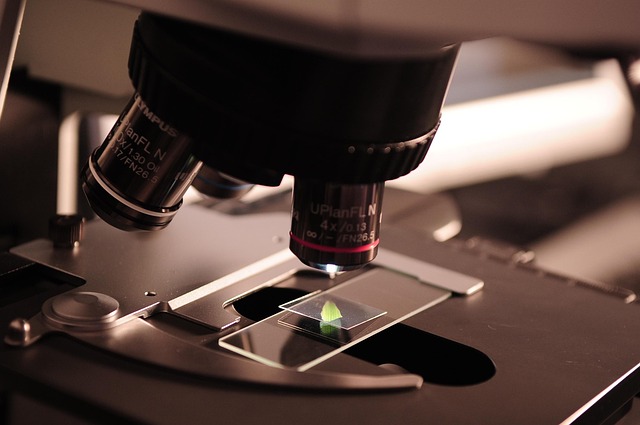
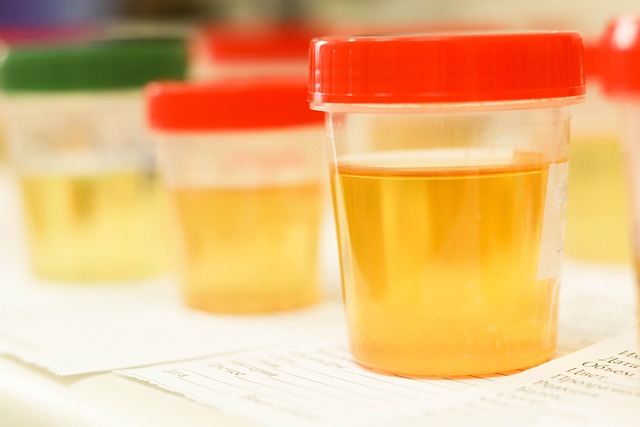
Are you ready to dive into the world of lab work in Ann Arbor? This comprehensive guide is designed to help you navigate the local job market, from understanding the variety of roles available to crafting an effective job search strategy. Whether you’re seeking lab assistant jobs, clinical research positions, or medical laboratory careers, Ann Arbor offers a vibrant and diverse array of opportunities.
Understanding the Ann Arbor Job Market: A Haven for Lab Professionals
Ann Arbor, known for its vibrant academic and research institutions, is a prime destination for those seeking lab work. The city is home to several renowned universities, research centers, and medical facilities, each with a constant demand for skilled lab assistants, technicians, and researchers. This section will delve into the key players in Ann Arbor’s lab job market and the diverse range of opportunities available.
Key Employers in Ann Arbor’s Lab Sector
- University of Michigan: As one of the top-ranked universities in the world, U of M offers a plethora of lab positions across various disciplines, from biology and chemistry to engineering and computer science.
- Ann Arbor VA Medical Center: This top-rated veterans affairs hospital consistently seeks qualified lab technicians and researchers, providing a unique blend of medical and scientific work.
- Michigan Medicine: The University of Michigan’s health system, Michigan Medicine, offers research and clinical laboratory positions, catering to the growing needs of the healthcare industry.
- Local Research Institutes: Organizations like the Ann Arbor Science Center and various biotechnology startups also contribute to the diverse lab job landscape.
Types of Lab Roles in Ann Arbor
Ann Arbor’s lab job market encompasses a wide array of positions, catering to different skill levels and interests:
- Lab Assistant/Technician: Entry-level positions often involve sample preparation, data collection, and general laboratory maintenance.
- Research Assistant: These roles require more advanced skills and often involve conducting experiments, analyzing data, and contributing to research projects.
- Medical Laboratory Technologist: Certified professionals who perform complex medical tests and analyses in clinical laboratories.
- Clinical Research Coordinator: Responsible for managing clinical trials, ensuring patient safety, and maintaining research integrity.
- Postdoctoral Researcher: Advanced roles for Ph.D. holders, focusing on original research and academic contributions.
Crafting Your Job Search Strategy
Now that you have a glimpse into the vast opportunities available, let’s delve into a structured job search approach tailored to Ann Arbor’s lab sector.
Step 1: Define Your Interests and Skills
Before diving into the job market, take time to reflect on your career goals and the type of lab work you’re most interested in. Are you passionate about biotechnology, environmental science, or medical research? Identifying your preferences will help you focus your search. Additionally, assess your skills and qualifications. Do you have relevant experience, certifications, or a degree in a scientific field?
Step 2: Utilize Online Job Boards and University Career Services
Online job boards are a powerful tool for finding lab assistant jobs in Ann Arbor. Websites like Indeed, Monster, and Glassdoor feature a diverse range of listings. Use specific keywords like "lab assistant Ann Arbor" or "clinical research positions" to refine your search.
University career services are another invaluable resource. The University of Michigan, for instance, offers comprehensive career guidance, including workshops, resume reviews, and job fairs, specifically tailored to students and alumni. Check the career centers at other local universities for similar opportunities.
Step 3: Network with Local Institutions
Building relationships within the scientific community can significantly enhance your job search. Attend academic conferences, seminars, and networking events in Ann Arbor. Connect with professors, researchers, and professionals in your field of interest. Many lab positions are filled through referrals and personal connections, so making yourself visible and accessible can open doors.
Step 4: Create a Stunning Resume and Cover Letter
Your resume and cover letter are your first impressions to potential employers. Tailor these documents to highlight your relevant skills and experiences. Use keywords from the job descriptions to ensure your application stands out in the initial screening process. For instance, if a position requires proficiency in specific software, ensure you list those skills.
Step 5: Reach Out to Alumni Networks
Ann Arbor’s strong alumni network can be a goldmine for job seekers. Connect with alumni from your university who are already working in labs or research institutions in the area. They may offer insights, advice, or even introduce you to potential employers.
Step 6: Consider Temporary or Freelance Work
Starting with temporary or freelance assignments can be a strategic move. These positions allow you to gain valuable experience, build a portfolio, and network within the industry. Plus, they often lead to longer-term opportunities or recommendations for full-time roles.
Exploring Specific Lab Roles in Ann Arbor
Let’s delve deeper into some of the most sought-after lab roles in the city, providing insights into what’s involved and how to prepare for them.
Lab Assistant/Technician: The Gateway to Lab Work
Lab assistant jobs are often the entry point into the scientific workforce. In Ann Arbor, these positions are available in various settings, from university labs to private research companies. Your responsibilities may include:
- Preparing and maintaining laboratory equipment
- Conducting routine experiments and tests
- Recording and organizing data
- Assisting senior technicians and researchers
How to Prepare:
- Obtain a relevant associate’s or bachelor’s degree in a scientific field.
- Consider completing a certificate program in laboratory techniques.
- Develop strong organizational and communication skills.
- Build a solid understanding of basic laboratory safety protocols.
Research Assistant: Advancing Scientific Discovery
Research assistants play a crucial role in academic and industrial research. In Ann Arbor, these positions are abundant, offering opportunities to work on cutting-edge projects. As a research assistant, you might:
- Design and conduct experiments
- Analyze data using advanced techniques
- Write research proposals and manuscripts
- Collaborate with a multidisciplinary team
How to Stand Out:
- Earn a master’s or doctoral degree in your field of interest.
- Build a strong research record through internships or previous assistantships.
- Demonstrate excellent problem-solving and analytical skills.
- Show proficiency in data analysis software relevant to your field.
Medical Laboratory Technologist: Ensuring Patient Care
Medical laboratory technicians are vital in ensuring accurate patient diagnoses and treatment. In Ann Arbor’s hospitals and clinics, these professionals:
- Perform a wide range of medical tests, including blood work, urine analysis, and tissue examinations
- Calibrate and maintain laboratory equipment
- Ensure lab results are accurate and timely
- Collaborate with physicians and other healthcare professionals
Education and Certification:
- Complete a bachelor’s degree program in medical laboratory science or a related field.
- Obtain certification from a recognized organization like the American Society for Clinical Pathology (ASCP).
- Stay updated with continuing education and training to keep up with advancements in medical technology.
Leveraging University Resources for Lab Job Seekers
Ann Arbor’s universities offer a wealth of resources to support students and alumni in their lab job search.
Career Centers and Workshops
- University of Michigan Career Center: Provides personalized career counseling, resume workshops, and mock interviews tailored to scientific careers.
- Michigan State University Career Services: Offers resources and events specifically for graduate students seeking research and lab positions.
Alumni Networks and Connections
- Many universities maintain robust alumni networks, connecting current students with graduates already working in the field. These networks can facilitate informational interviews, mentorship, and job referrals.
Research Opportunities for Students
- Undergraduates and graduate students can explore research assistant positions within their universities. These opportunities not only provide valuable experience but also enhance their resumes for future lab jobs.
Frequently Asked Questions (FAQs)
1. What are the best ways to stand out when applying for lab jobs in Ann Arbor?
To make your application shine, ensure your resume and cover letter are tailored to each position, highlighting relevant skills and experiences. Build a strong portfolio, especially for research roles, and be prepared to discuss your projects during interviews. Demonstrating passion, knowledge, and a commitment to the field can set you apart.
2. Are there any specific skills or certifications required for lab assistant jobs?
While entry-level lab assistant positions may not require advanced degrees, a solid educational foundation is essential. Associate’s or bachelor’s degrees in fields like biology, chemistry, or life sciences are commonly sought. Relevant certifications, such as those in laboratory safety or specific equipment operation, can enhance your application.
3. How can I find lab jobs that align with my specific interests?
Utilize job boards, university career services, and networking events to specify your preferences. Tailor your application materials to reflect your interests and skills. For instance, if you’re passionate about environmental science, highlight projects or experiences related to sustainability. Showcasing your enthusiasm and relevant qualifications will attract employers in your desired field.
4. What are some tips for navigating the competitive research assistant job market?
Building a strong academic record, including publications and conference presentations, can significantly enhance your prospects. Network with professors and researchers to gain insights and recommendations. Consider applying for positions in multiple institutions to increase your chances. Be prepared to discuss your research goals and how you can contribute to a team during interviews.
5. Can I gain lab experience without a formal position?
Absolutely! Consider volunteering at local research institutions or hospitals to gain hands-on experience. Some organizations offer student or intern programs that provide valuable training and references. Additionally, personal projects or collaborations with peers can demonstrate your initiative and expertise.
Conclusion
Finding lab work in Ann Arbor is a rewarding journey that combines passion, skill, and strategic planning. With a vibrant research community and a diverse range of opportunities, the city offers a unique environment for lab professionals. By following the steps outlined in this guide, from defining your interests to leveraging university resources, you can navigate the job market effectively and secure your ideal lab position.
So, embrace the challenge, refine your search, and let Ann Arbor’s lab job market unfold its possibilities for your future.