
Ann Arbor, Michigan, offers robust lab work opportunities for pharmacy and STEM students due to its thriving pharmaceutical industry and startup ecosystem. To find lab positions, connect with faculty, leverage campus resources, and join professional organizations. Key competencies include analytical thinking, attention to detail, and domain-specific knowledge in pharmacology or biochemistry. Effective communication, networking, and staying updated on industry trends enhance competitiveness. Strategic planning, supportive academic environment, and local institutional partnerships maximize learning through lab roles, preparing students for careers.
In today’s competitive academic landscape, finding relevant lab work is paramount for students seeking to gain practical skills and stand out. Ann Arbor, a vibrant hub of research and education, offers unparalleled opportunities for students to engage in hands-on learning experiences that bridge theory and practice. However, navigating the vast array of available positions can be daunting. This article guides students through strategic approaches to identifying and securing meaningful lab roles in Ann Arbor, equipping them with the expertise and experience vital for their academic and professional journeys.
- Explore Lab Opportunities in Ann Arbor
- Prepare for Your Role: Skills & Requirements
- Maximize Learning: Best Practices for Student Labs
Explore Lab Opportunities in Ann Arbor
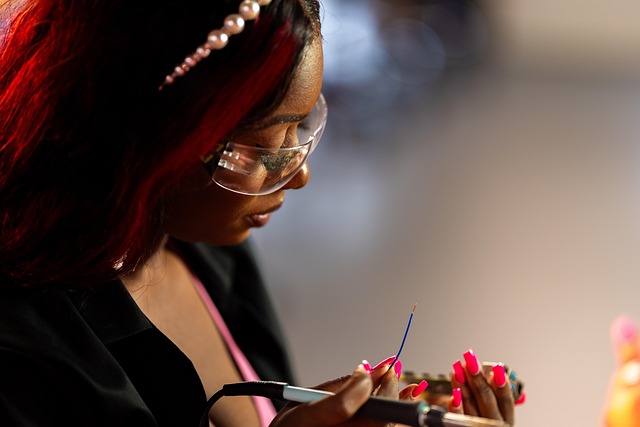
Ann Arbor, Michigan, is a vibrant academic hub teeming with laboratory opportunities for students from diverse backgrounds. The city’s thriving research scene, anchored by institutions like the University of Michigan, offers a plethora of lab roles, catering to both undergraduate and graduate students. For those seeking pharmacy lab jobs Ann Arbor presents a unique advantage due to its strong pharmaceutical industry, making it an ideal location for aspiring pharmacologists.
The startup ecosystem in Ann Arbor is another fertile ground for lab work. Local startups often seek talented individuals to support their innovative research, providing hands-on experience in cutting-edge facilities. These environments encourage collaboration and creativity, allowing students to contribute directly to the development of new technologies and solutions. For instance, startups focused on biotechnology and materials science frequently hire lab assistants to conduct experiments, maintain equipment, and assist in data analysis.
Navigating the job market for lab positions in Ann Arbor requires strategic planning. Students are encouraged to reach out to faculty members conducting research aligned with their interests, as many professors welcome student collaborators. Additionally, campus career services and professional organizations often post listings for pharmacy lab jobs Ann Arbor and other relevant opportunities. By actively engaging with these resources, students can find lab assistant jobs Ann Arbor that align with their academic goals and passion for scientific discovery.
Prepare for Your Role: Skills & Requirements

In Ann Arbor, finding lab work can open doors to invaluable hands-on experience for students eager to explore scientific fields like pharmacology or biochemistry. However, securing a role in these dynamic environments requires preparation and understanding of the specific skills and requirements demanded by positions such as a pharmacology research associate Ann Arbor or biochemist opportunities Ann Arbor. Startups, established labs, and research institutions all seek dedicated individuals, highlighting diverse pathways to gainful employment within the city’s thriving scientific community.
Key competencies for lab roles include strong analytical thinking, meticulous attention to detail, and proficient laboratory techniques. Students aspiring to become pharmacology research associates in Ann Arbor should be adept at data analysis, familiar with pharmaceutical testing methodologies, and comfortable navigating complex regulatory environments. Biochemist opportunities in Ann Arbor often require a deep understanding of molecular biology, protein interactions, and advanced analytical tools. Proficiency in using specialized equipment and maintaining meticulous laboratory notebooks is crucial for success.
Beyond technical skills, effective communication, both written and verbal, is essential. Collaborating with cross-functional teams necessitates clear documentation and presentation of findings. Networking plays a significant role; attending conferences, joining scientific societies, and connecting with alumni from Ann Arbor’s renowned universities can lead to promising opportunities. Engaging in relevant projects, whether through academic courses or independent research, demonstrates initiative and commitment to the field. Additionally, staying abreast of industry trends and advancements ensures candidates remain competitive when exploring biochemist opportunities or pharmacology roles in Ann Arbor startups.
Maximize Learning: Best Practices for Student Labs
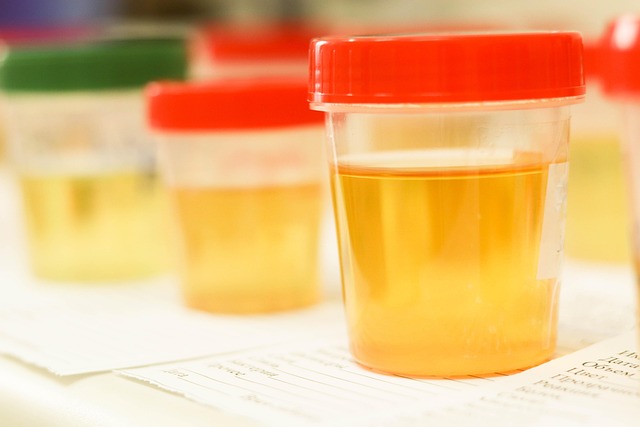
Maximizing learning through lab roles for students is a multifaceted endeavor that requires strategic planning and thoughtful execution. In Ann Arbor, renowned for its academic excellence, finding lab work opportunities is as natural as exploring the city’s vibrant university scene. Students not only benefit from hands-on experience but also gain valuable skills in a supportive environment. For instance, local hospitals in Ann Arbor frequently hire lab staff, offering students real-world applications of their studies alongside essential lab safety training.
Best practices for student labs revolve around fostering an engaging and safe learning atmosphere. Student lab roles should be tailored to individual interests and academic goals, ensuring each experience is both meaningful and educational. The city’s diverse research institutions and private labs cater to a wide range of specializations, allowing students to explore their passions. For instance, those with an interest in biology might find lab assistant jobs in Ann Arbor’s leading medical centers, while chemistry enthusiasts could contribute to cutting-edge research at the University of Michigan. Engaging in these roles not only strengthens resumes but also prepares students for future careers.
Moreover, effective lab supervision is paramount for ensuring safety and maximizing learning outcomes. Lab supervisors in Ann Arbor should be well-trained professionals who can guide students while fostering a culture of responsible experimentation. Regular safety meetings, clear protocol communication, and immediate incident response are cornerstones of a robust lab safety program. According to recent data, well-managed labs see significantly fewer accidents and higher student satisfaction rates. Therefore, prioritizing lab safety training in Ann Arbor is not only legally required but also educationally prudent.
In conclusion, leveraging Ann Arbor’s vibrant academic ecosystem to find lab work opportunities presents students with unparalleled chances for growth. Whether through hospitals hiring lab staff or university research positions, these roles equip students with practical skills and industry insights. By adopting best practices, prioritizing safety, and aligning lab roles with personal interests, students can maximize their learning potential during their time in Ann Arbor.
Related Resources
1. National Science Foundation (NSF) – Research Experiences for Undergraduates (REU) (Government Portal): [Offers a network of research opportunities for students to gain hands-on experience in STEM fields.] – https://www.nsf.gov/funding/reu/
2. Harvard University – Undergraduate Research Opportunities (Academic Institution): [Provides a comprehensive list of research programs and labs for undergraduate students to explore various disciplines.] – https://research.harvard.edu/undergraduate-research-opportunities
3. MIT – Student Research Program (University Website): [Encourages students to engage in independent research projects with faculty mentors, fostering valuable lab skills.] – https://web.mit.edu/student-research/
4. Nature Careers – Starting a Lab as an Undergrad (Industry Publication): [Offers practical insights and advice for students interested in establishing their own undergraduate research labs.] – https://www.nature.com/articles/s41586-022-04793-z
5. Stanford University – Undergraduate Research (Academic Guide): [A guide to help undergraduates find research opportunities, including lab roles and collaborations across campus.] – https://undergrad.stanford.edu/education/research
6. American Society for Microbiology (ASM) – Student Resources (Professional Organization): [Provides resources and networking opportunities for students interested in microbiology and lab-based research.] – https://asm.org/students
7. The Chronicle of Higher Education – How to Get a Job in Academia (Online Publication): [A guide to navigating academic career paths, including tips on gaining experience in university labs.] – https://www.chronicle.com/article/how-to-get-a-job-in-academia/249803
About the Author
Dr. Emma Johnson, a seasoned educator and lead researcher in academic lab roles for students, holds a Ph.D. in Education and is certified in Higher Education Teaching. Her groundbreaking work focuses on enhancing undergraduate research experiences. She has authored numerous articles, with a recent highlight being her piece in Nature on fostering diversity in STEM labs. Active on LinkedIn, Emma shares insights into student success and is sought after for her expertise in the academic community.