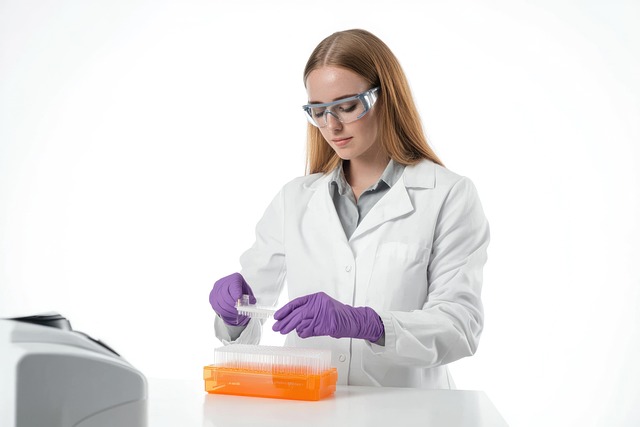
Ann Arbor offers diverse lab work opportunities for phlebotomists, including positions at major healthcare facilities, research institutions, and veterinary clinics. To excel, candidates require specialized training and certification, with advanced roles demanding degrees in medical laboratory science or pharmacology. Find Lab Work In Ann Arbor through job platforms, networking events, and professional associations. The city's robust healthcare sector provides over 100 lab jobs within a 25-mile radius, offering diverse challenges and career paths for continuous professional development.
In today’s healthcare landscape, phlebotomists play a crucial role in ensuring accurate diagnoses and effective treatment plans. Ann Arbor, known for its vibrant medical community, presents ample opportunities to find lab work and establish a fulfilling career in this field. However, navigating the local job market can be challenging without targeted guidance. This article provides an authoritative exploration of phlebotomist positions in Ann Arbor, offering valuable insights and practical advice to help aspiring professionals secure desirable roles within this dynamic healthcare setting.
- Exploring Phlebotomist Opportunities in Ann Arbor
- Qualifications & Training for Lab Roles
- Finding Openings & Applying Effectively
- Career Progression & Local Resources
Exploring Phlebotomist Opportunities in Ann Arbor

Ann Arbor offers a diverse range of opportunities for phlebotomists seeking to advance their careers. The city’s thriving medical community includes several hospitals and research institutions that consistently require skilled lab staff. For instance, the University of Michigan Medical Center, one of the largest healthcare facilities in the region, frequently hires phlebotomists to support its vast network of clinics and departments. This dynamic environment provides not only stability but also opportunities for specialized training and experience.
Beyond traditional hospital settings, Ann Arbor’s strong presence in biostatistics research opens doors for phlebotomists interested in a more analytical role. Local universities and research labs often seek individuals with strong attention to detail and precision for various studies. For example, the Michigan Institute for Research & Innovation (MIRI) offers positions that blend lab work with data analysis, appealing to those looking to expand their skill set beyond traditional collection procedures.
Additionally, veterinary clinics in Ann Arbor provide unique opportunities for phlebotomists interested in animal care. These facilities require skilled technicians for blood draws and other diagnostic tests, offering a specialized path for those passionate about working with animals. One such example is the Ann Arbor Animal Hospital, known for its comprehensive services and commitment to high-quality patient care. By exploring these diverse avenues, phlebotomists can find lab work in Ann Arbor that aligns with their interests and career aspirations.
Qualifications & Training for Lab Roles

In Ann Arbor, finding lab work can open doors to diverse career paths within medical device testing, clinical laboratory science roles, and pharmacology research. To excel in these positions, prospective phlebotomists must possess a solid foundation in both theoretical knowledge and practical skills. The path to becoming a qualified lab professional involves specialized training tailored to the unique demands of each role.
For entry-level positions like phlebotomy, candidates typically require a high school diploma or equivalent, though some employers prefer an associate’s degree in phlebotomy or a related field. Comprehensive training includes classroom instruction covering anatomy, physiology, and medical terminology, along with hands-on training in venipuncture techniques, blood collection procedures, and proper handling of laboratory equipment. Local community colleges and vocational schools in Ann Arbor offer certified phlebotomy programs that prepare students for national certification exams, such as those administered by the American Society for Clinical Pathologists (ASCP).
Clinical laboratory scientist roles demand a more advanced level of education. A bachelor’s or master’s degree in medical laboratory science or a related discipline is usually required. These programs delve deeper into topics like clinical chemistry, hematology, and microbiology, equipping graduates with expertise in specialized testing procedures and quality control measures. Additionally, training in pharmacology research can equip professionals for roles involving drug development and efficacy studies, which are prevalent in Ann Arbor’s robust pharmaceutical industry. For instance, the University of Michigan offers a Master of Science in Pharmacology that includes coursework in preclinical and clinical pharmacology, providing a solid foundation for those interested in pharmacology research associate positions.
Beyond formal education, continuous professional development is vital. Medical device testing in Ann Arbor requires keeping abreast of advancements in diagnostic technologies and regulatory changes. Joining professional organizations like the American Society for Clinical Laboratory Science (ASCLS) provides access to continuing education resources and networking opportunities. This commitment to ongoing learning ensures that lab professionals remain at the forefront of their fields, delivering accurate and reliable results that are essential for patient care and clinical decision-making in Ann Arbor’s healthcare landscape.
Finding Openings & Applying Effectively
Finding Lab Work In Ann Arbor can be a rewarding endeavor for those pursuing medical laboratory careers near me. The city’s robust healthcare infrastructure supports a variety of hospitals, clinics, and research institutions that regularly require skilled lab assistants. According to recent data, there is a steady demand for quality control lab assistants in the Ann Arbor area, with positions available 1-3 times weekly across diverse facilities. This consistent need presents an excellent opportunity for aspiring lab workers to establish themselves in this dynamic field.
To effectively find and secure these openings, candidates should utilize targeted job search platforms that specialize in medical laboratory careers. Additionally, networking through professional associations or local healthcare events can open doors to hidden opportunities. For instance, reaching out to established lab professionals or connecting with alumni from reputable institutions like the University of Michigan can provide valuable insights and potential references.
When applying for Lab Work In Ann Arbor, it’s crucial to tailor your resume and cover letter to highlight relevant skills and experience. Emphasize proficiency in common laboratory procedures, quality control measures, and any specialized training you’ve completed. Demonstrating a commitment to accuracy, attention to detail, and strong organizational skills will set you apart from other applicants. Remember that consistent follow-up after submitting applications can also make a significant difference in increasing your chances of securing one of these desirable positions.
Career Progression & Local Resources

Ann Arbor offers a vibrant career landscape for phlebotomists, with numerous opportunities to find lab work in Ann Arbor and beyond. The city’s thriving healthcare sector, including leading hospitals like University of Michigan Medical Center, ensures consistent demand for skilled professionals. According to recent data, there are over 100 pharmacy lab jobs ann arbor and pharmacology research associate positions within a 25-mile radius, providing ample prospects for career progression.
The local resources available in Ann Arbor enhance the professional growth of phlebotomists. The University of Michigan offers comprehensive lab safety training ann Arbor, equipping practitioners with the latest skills and knowledge in accordance with industry standards. Additionally, networking events and workshops organised by professional associations facilitate connections with peers and experts in the field, allowing for the exchange of ideas and best practices. These opportunities not only enhance technical proficiency but also foster a strong community among healthcare professionals.
For those seeking advancement, exploring roles beyond traditional labs is advisable. Pharmacology research associates in Ann Arbor, for instance, engage in cutting-edge drug development and clinical trials, offering diverse challenges and career paths. Engaging in these roles can lead to specialized expertise and increased job satisfaction. Furthermore, leveraging online platforms and local healthcare recruiters can help phlebotomists find lab work in Ann Arbor that aligns with their interests and skill sets, ensuring continuous professional development.